2026-10-13 ·
Refrigerator Making Loud Noises: What You Should Know
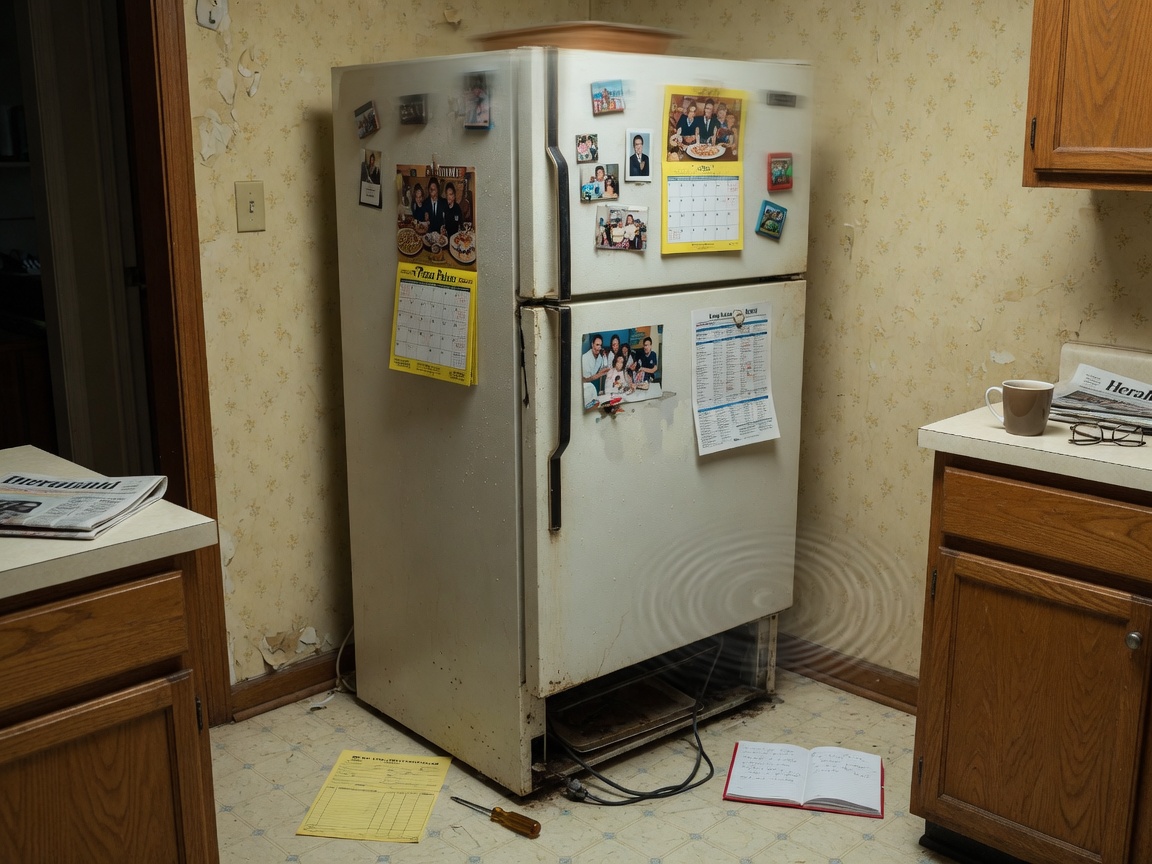
Most refrigerator noises have a simple cause, and many are fixed for under $200. A steady hum that cycles on and off is normal, but a new buzz, rattle, grinding, or clicking usually points to a worn fan, a loose part, or a compressor that is working harder than it should. The sound itself is your first diagnostic clue: where it comes from, when it happens, and whether it changes over time will narrow the problem quickly.
Start With Where the Sound Is Coming From
Before assuming the worst, spend two minutes listening. Open the freezer and check whether the noise is loudest there or near the back panel. Many technicians find that the sound is coming from the evaporator fan behind the freezer wall, which you can hear when the door is open. Next, look at the floor. A refrigerator that rocks or buzzes against the floor is often just not level, and adjusting the front leveling feet can cure the problem in a few minutes.
Also note whether the sound happens all the time or only at certain moments. A noise that starts when the compressor kicks on points to a different cause than one that happens while the ice maker fills. Writing down the time of day and the sound type (buzz, rattle, click, whoosh) will make any repair visit faster and cheaper, because the technician can start with the likely culprit instead of testing everything.
Common Sounds and What They Usually Mean
Different noises point to different components. Use this as a starting guide:
- Rattling or chattering: Loose items on shelves, a dislodged drain pan, or a condenser fan blade hitting debris. Often a $0 to $50 fix.
- Buzzing or humming that gets louder: A failing condenser fan motor or a compressor starting to struggle. Typically $150 to $400 for a fan motor.
- Clicking before the sound starts: Normal relay or defrost control activity, but repeated clicking with no cooling may indicate a start relay problem, usually $100 to $250.
- Gurgling or running water: Normal refrigerant or water flow in the lines, and rarely a concern.
- Grinding or screeching: Worn fan bearings or a compressor in trouble. Turn the unit off and call a technician.
If the noise is coming from the kitchen but seems to match the refrigerator's cycle, double-check the other appliances nearby. The sound of a dishwasher draining can sometimes be mistaken for a fridge, so a quick test with the dishwasher off helps.
Why Hewlett Homes Stress Refrigerators Differently
Many homes around Hewlett, Hewlett Bay Park, and the blocks near the Hewlett-Woodmere Public Library were built decades ago, and older kitchens often have tighter spaces, shallower alcoves, and less airflow behind the unit. A refrigerator pushed flush against a wall cannot expel heat properly, so the condenser fan and compressor run longer and louder. Moving the unit out four to six inches, and cleaning the coils at the back or underneath, frequently quiets the noise on its own.
Nassau County's climate adds another layer. Humid summers force refrigerators to work harder, and dust and humidity build up on condenser coils faster than many owners expect. In winter, when nor'easters knock out power or cause brief voltage dips, a compressor restarting under load can produce a loud thump or hum. If your refrigerator is loud mainly during heat waves, coil cleaning is the first step. If the noise follows a storm, check whether the unit reset properly and whether the temperature recovered within a few hours.
When the Noise Is Urgent
Some sounds should not wait. Grinding, screeching, or a loud metallic knock that continues for more than a few cycles suggests a failing compressor or a fan that has seized, and running the unit longer can turn a $150 fan replacement into a $800 to $1,500 compressor job. Also watch for food that is no longer cold, water pooling on the floor, a burning smell, or a breaker that trips repeatedly. Any of these means you should stop using the refrigerator and call for service.
If you are dealing with a loud unit at night or on a weekend, our team at 1800 Rockaway Ave in Hewlett is available 24/7, and we can talk you through what to check before a technician arrives. You can learn more about our refrigerator repair service or see our Hewlett service area page for coverage details.
What Repairs Typically Cost
Pricing depends on the part, the brand, and how accessible the component is. Expect the following ranges for common noise-related repairs in the Nassau County area:
- Leveling and coil cleaning: $0 to $120, often a same-visit fix.
- Evaporator or condenser fan motor: $150 to $400 installed.
- Start relay or defrost control board: $100 to $350.
- Compressor replacement: $800 to $1,500 or more, and sometimes not worth it on an older unit.
A good rule is to compare the repair cost with about half the price of a comparable new refrigerator. Units that are 8 to 12 years old with a major compressor failure are usually better replaced. Younger units with a single worn fan are almost always worth fixing. Always ask for an itemized quote before approving work, and ask the technician to show you the faulty part.
Simple Checks You Can Do Tonight
Before booking a visit, a few checks can resolve many noise complaints. First, confirm the refrigerator is level by placing a level on the top and adjusting the front feet. Second, pull the unit away from the wall and vacuum the condenser coils, which are usually behind a kick plate at the bottom front or along the back. Third, remove items from the top and back that could vibrate. Fourth, make sure the drain pan and water line are not touching the cabinet.
If the noise continues after these steps, or if it sounds mechanical, schedule a diagnostic visit. Pay attention to whether the unit is still cooling properly, since a noisy refrigerator that holds temperature may have a minor issue, while one that is warm and loud needs prompt attention. Keeping the fridge stocked and the door closed also helps it run efficiently and reduces strain on the compressor. For related kitchen noises, see our guide on what causes a dishwasher to leave dishes dirty, which covers similar airflow and drainage issues.